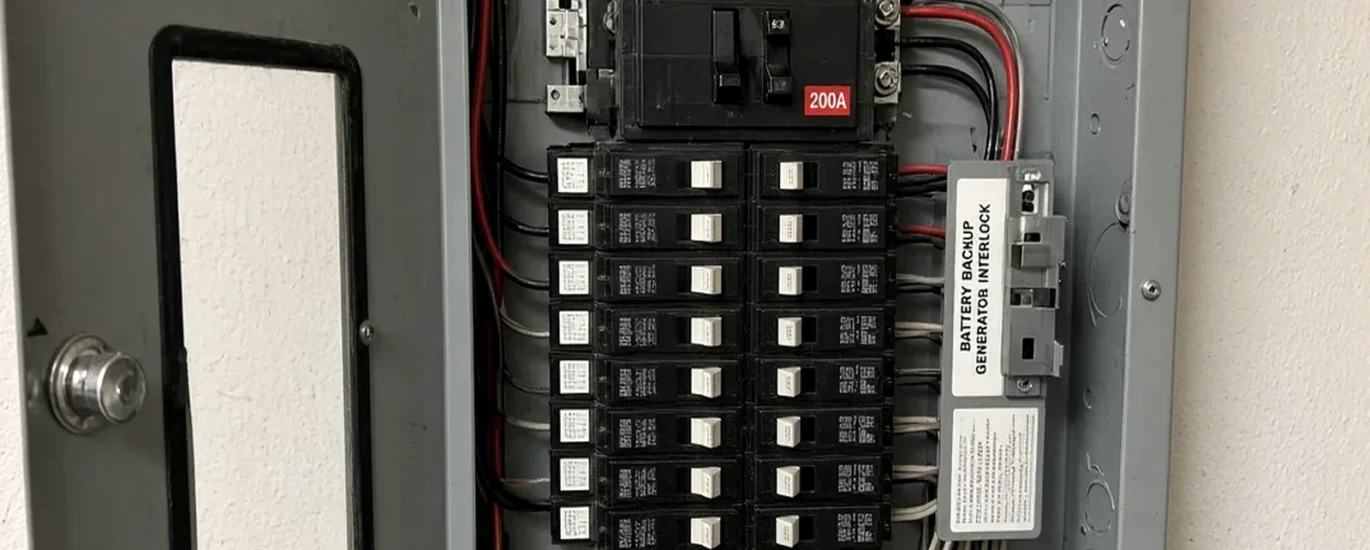
Quick Answer: Most Sacramento-area homes built before the 1990s still run on 100-amp service. A 100 amp vs 200 amp panel upgrade decision usually comes down to what you plan to add next – EV charging, battery backup, or a bigger HVAC load. If those are on the list, 200-amp service is the safer long-term call.
Homeowners searching 100 amp vs 200 amp panel upgrade usually already know their breaker box feels tight. Tripped breakers when the AC and kitchen run together, a panel with no open slots, or a Level 2 charger quote that came back with “panel upgrade required” are the usual triggers. Around Sacramento, Citrus Heights, Roseville, and the rest of our SMUD / PG&E / Roseville Electric map, that conversation is common on 1950s-1980s housing stock that was wired for a different lifestyle.
This guide is the decision piece – what each service size can actually support, when staying at 100 amps still makes sense, and what to expect on install day. For dollar ranges, we keep a separate live cost guide; this post stays focused on capacity and timing. Under The Sun Electric (CSLB #1141678) handles electrical panel upgrades in Sacramento as a C-10 shop that also wires solar, EV, and battery on the same truck when those are part of the plan.
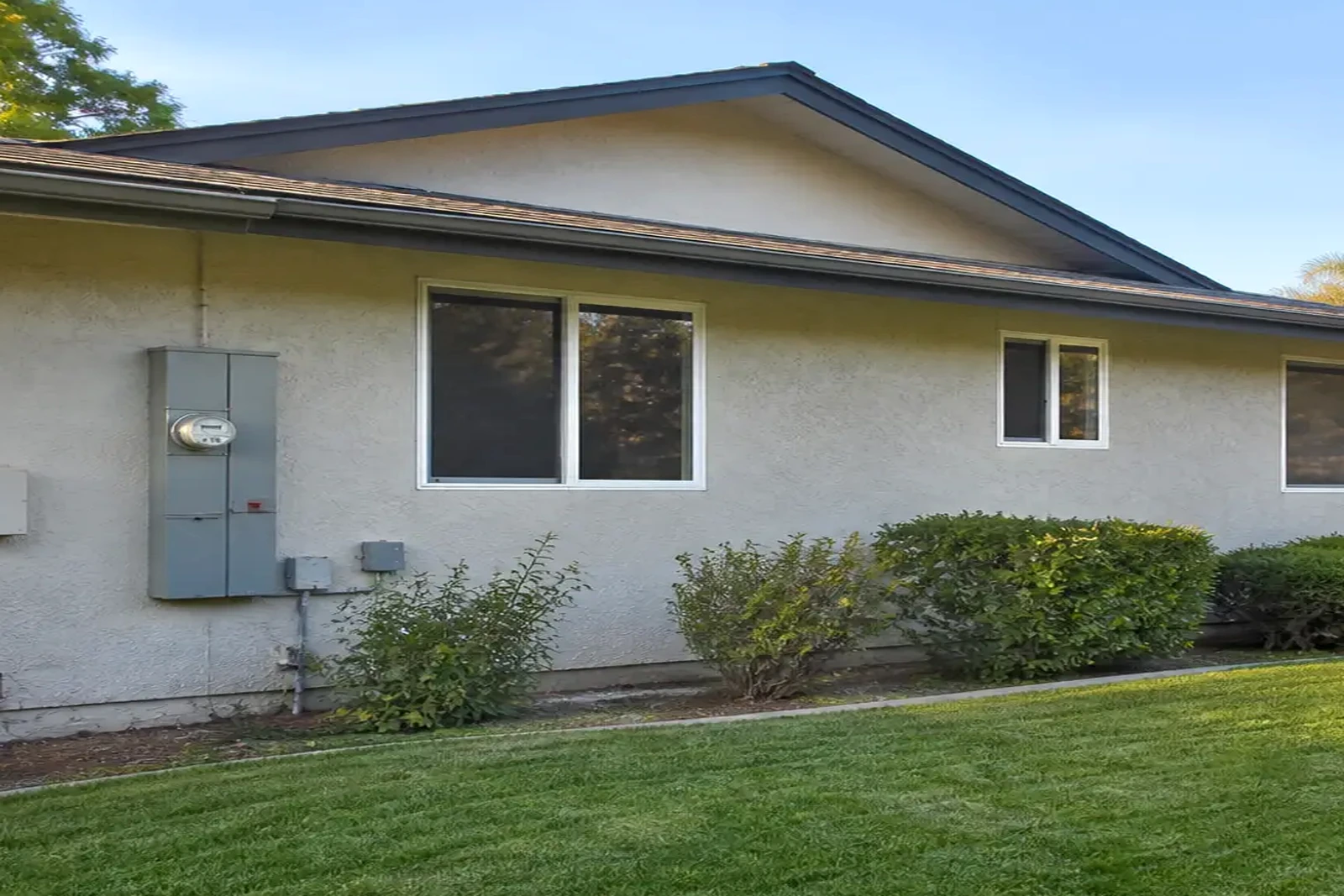
What Is the Real Difference Between a 100-Amp and 200-Amp Panel?
Amperage is the continuous current your service can deliver. A 100-amp main breaker caps the whole house at that feed. A 200-amp main doubles the available capacity and usually comes with more breaker spaces so you are not stacking tandem breakers just to add one circuit.
In plain terms:
- 100-amp service fits many smaller homes that still run gas appliances and do not charge an EV at home.
- 200-amp service is the modern default when you want headroom for a heat pump, induction range, Level 2 charger, or battery interconnect.
- Breaker count matters too – a full 100-amp panel can block a project even when the math says the amps are fine.
We still open the deadfront and do a load calculation before anyone swaps a main breaker. Nameplate labels lie on older panels, and Federal Pacific / Zinsco / Pushmatic gear is a replace-now situation regardless of amp rating.
When Does a Sacramento Home Still Work Fine on 100 Amps?
Not every quote should jump straight to 200 amps. Keeping or replacing like-for-like at 100 amps can be the right call when:
- The home is modest square footage with gas water heat and gas cooking.
- You are not adding EV charging, battery backup, or a major electric HVAC change.
- The existing panel is a modern brand in good condition and still has usable spaces.
- The only problem is a failed main breaker or rusted enclosure, not capacity.
Even then, we talk through the next five years. Selling soon with a clean safety replacement is one story. Keeping the house and planning a charger next summer is another. Same ZIP, different answer.
When Should You Move From 100 Amp to 200 Amp Service?
Upgrade to 200-amp service when any of these are true:
- You want a dedicated Level 2 EV circuit and the load calc fails on 100 amps.
- Solar or battery interconnection needs main-breaker or bus capacity the current panel cannot give.
- You are electrifying the kitchen or swapping a gas furnace for a heat pump.
- The panel is maxed on spaces or uses unsafe tandem stacking.
- The inspector or utility already flagged service size on a remodel permit.
EV and solar are the two triggers we see most. If you are still deciding whether a charger forces a panel change, read our separate walkthrough on whether an EV charger needs a panel upgrade. For solar-specific bus and main-breaker rules, use the panel upgrade for solar Sacramento guide.
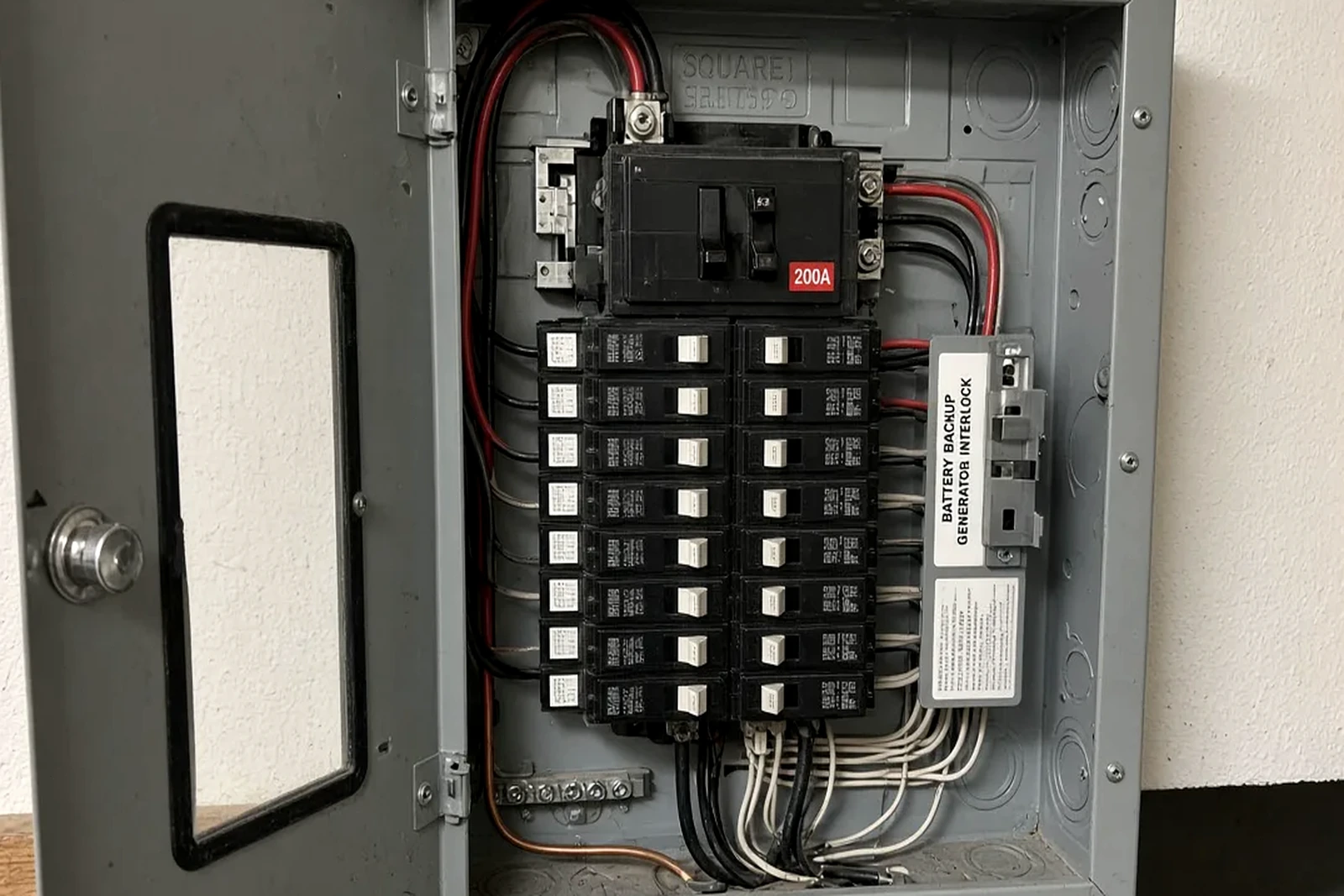
How Do SMUD, PG&E, and Roseville Electric Change the Panel Upgrade Path?
Utility rules are not the same across our service area. SMUD covers Sacramento and Citrus Heights for most of our jobs. PG&E covers pockets at the edges. Roseville Electric runs its own playbook inside the city.
- SMUD customers often pair a panel upgrade with Go Electric incentives when electrifying appliances or adding charging.
- PG&E jobs lean harder on interconnection paperwork and NEM-era solar rules when panels and arrays move together.
- Roseville Electric has its own service standards and inspection sequence – quotes that ignore that boundary line waste time.
We confirm the meter address and utility before we order gear. For a deeper rate and rebate comparison, see our live post on SMUD vs PG&E vs Roseville Electric costs.
What Permits and Inspections Should You Expect?
Panel work is permitted work. City of Sacramento publishes a dedicated residential electrical panel fee page for change-outs and upgrades. Sacramento County, Citrus Heights, Roseville, Folsom, Elk Grove, and Rancho Cordova each run their own building counters – same NEC backbone, different portals and fee schedules.
On a typical 100-to-200 job we pull the permit, coordinate utility disconnect / reconnect when the service drop or meter needs work, land the new panel, and meet the inspector. Homeowners should plan for a short power outage window on changeover day. Same-day restore is the goal when utility scheduling cooperates.
Title 24 and current California electrical code editions also drive AFCI / GFCI protection on many circuits during a full upgrade. That is safety gear, not an upsell – budget for it in the scope.
How Much Does the Upgrade Usually Cost Compared With Staying at 100 Amps?
We keep full pricing on our cost guide so this post does not turn into a second cost article. As of that guide, a Sacramento-area move from 100 to 200 amps commonly lands around $1,800-$3,500 depending on meter work, panel location, and whether the service mast or underground feed changes. Same-size 100-amp replacements run lower. City of Sacramento permit fees on that guide are listed in the $150-$625 range by scope.
Read the full breakdown here: electrical panel upgrade cost in Sacramento. Use this vs guide to decide size; use the cost guide to budget.
What Does Install Day Look Like With Our Crew?
After the site visit we lock amp size, panel brand, and whether solar / EV / battery circuits are part of day one. Then:
- Permit filed with the correct city or county counter.
- Utility disconnect scheduled if the meter or service entrance is in play.
- Old panel removed, new load center landed, circuits re-terminated and labeled.
- Inspection and utility reconnect.
Citrus Heights and Sacramento jobs are our home turf (ZIP 95610 base). We also run panel upgrades in Roseville, Folsom, Elk Grove, and Rancho Cordova on live city pages. Saturday work is by appointment only – weekday 8-6 is the normal window.
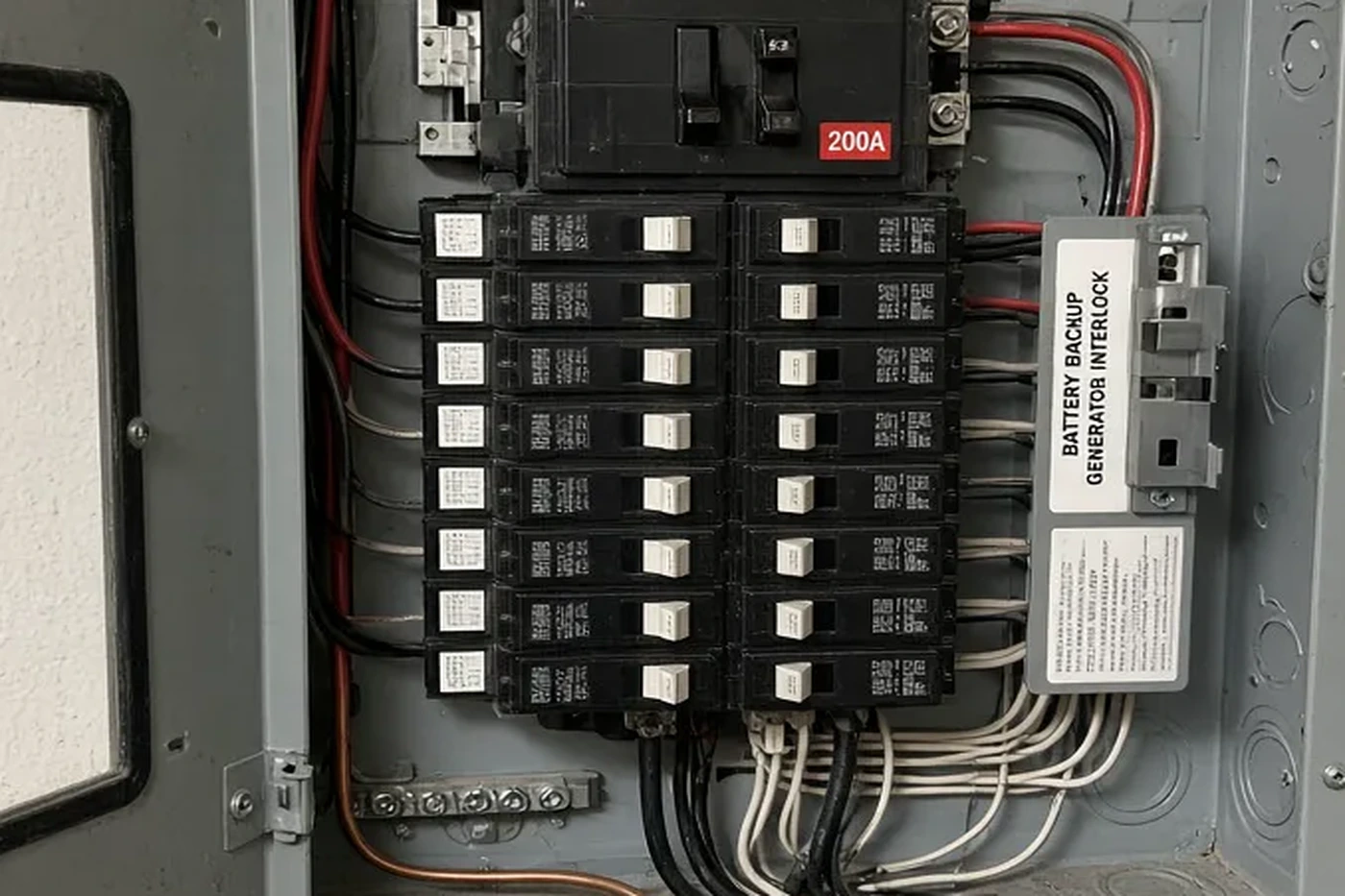
What Should You Ask Before You Sign a Panel Upgrade Quote?
- Did the quote include a real load calculation, or just a flat “you need 200 amps”?
- Is the permit and inspection in the price?
- Who coordinates SMUD, PG&E, or Roseville Electric disconnect?
- Will AFCI / GFCI updates required by code be listed as line items?
- Is the contractor a licensed C-10 (check CSLB) with workers’ comp current?
- If EV, solar, or battery is coming, is the panel sized and spaced for that gear now?
Verify any California contractor on the CSLB license check before you put a deposit down. Our license is #1141678.
How Does Older Sacramento Housing Stock Affect the Choice?
A lot of the homes we open in Citrus Heights, older Sacramento neighborhoods, and mid-century pockets of Rancho Cordova still have original or early-replacement 100-amp panels. Those houses were built when central AC was smaller, kitchens were gas, and nobody parked a 48-amp wall connector in the garage.
Two local patterns show up again and again:
- The main is 100 amps, but the bus is already crowded with tandems and a double-pole for AC.
- The enclosure is outdoors on stucco with a meter combo that the utility wants refreshed when amperage changes.
Neither pattern means you automatically buy 200 amps. It does mean the quote should show the load calc and call out meter or mast work instead of hiding it. Homes in newer Elk Grove and Folsom tracts are more likely to already sit on 200-amp service – our job there is often adding circuits, not upsizing the main.
Bottom Line
Choose 100-amp only when the house load is truly modest and no EV, battery, or big electrification project is on the calendar. Choose 200-amp when you want headroom for how Sacramento-area homes actually run today – chargers, heat pumps, and backup power included. If you want a site visit from a C-10 crew that already does panel, solar, EV, and battery together, book through our Sacramento panel upgrade page or call (916) 899-3062. Hours are Monday-Friday 8:00 AM-6:00 PM; Saturdays by appointment only.
Sources
City of Sacramento – Residential Electrical Panel permit fee page (community-development building fees).
Under The Sun Electric – Electrical Panel Upgrade Cost in Sacramento (live cost guide with 100-to-200 ranges and SMUD incentive notes).
CSLB license check – California Contractors State License Board public lookup.
SMUD Go Electric / Charge at Home program pages (rebate eligibility varies by year and measure).
FAQ
Is 200 amps always better than 100 amps?
No. 200 amps is better when you need capacity or breaker spaces. A healthy 100-amp panel on a small gas-heavy home can still be the correct, cheaper fix.
Can I add a Level 2 EV charger on a 100-amp panel?
Sometimes, with load management or a lighter circuit. Many Sacramento-area homes fail the load calc and need 200-amp service first. We verify on site rather than guessing from a photo.
Do I need a permit to upgrade my panel in Sacramento?
Yes. City of Sacramento and surrounding cities require permits for panel change-outs and upgrades. Skipping the permit creates resale and insurance problems.
How long is the power outage during a 100-to-200 upgrade?
Most changeovers are measured in hours, not days, once the utility disconnect window is set. Exact timing depends on meter work and inspection scheduling.
Will a 200-amp panel help with solar or battery backup?
Usually yes. More bus capacity and breaker spaces make interconnection and backup gear easier to land without another panel visit later.