
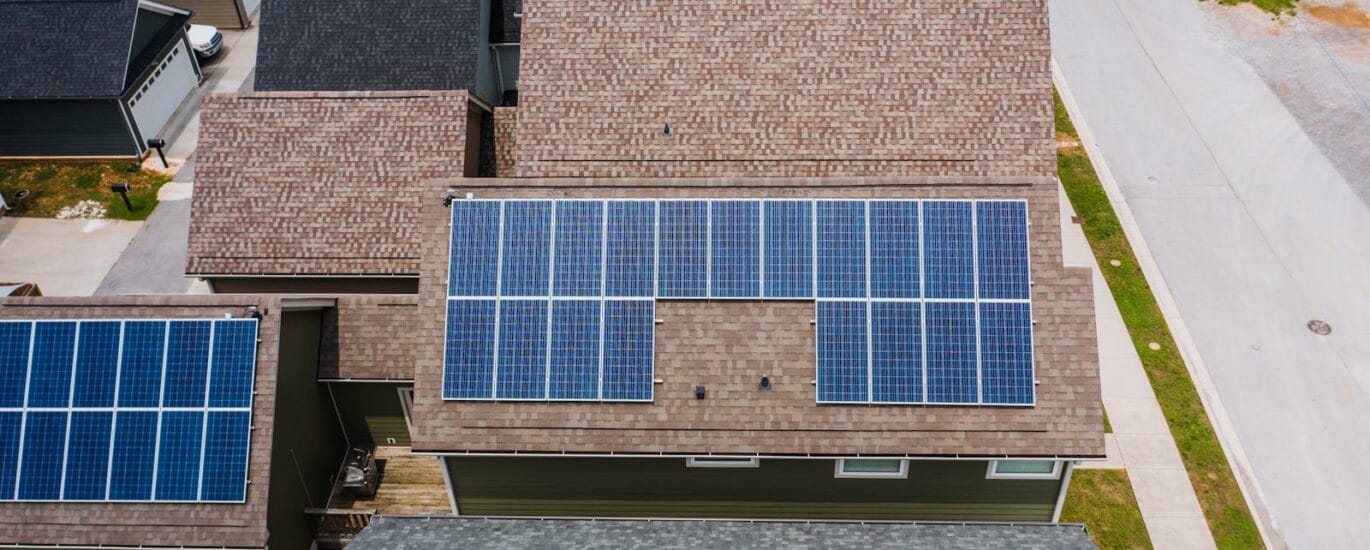
If you’ve been thinking about going solar, one question comes up before everything else: how much is this actually going to cost me? The answer depends on your home, your energy use, and who you hire — but we can give you real numbers to work with. As local solar installers in Sacramento, we’ve completed dozens of residential and commercial solar projects across the region, and this guide breaks down 2026 pricing, incentives, and what Sacramento homeowners should expect from start to finish.
Table of Contents
What Does Solar Panel Installation Cost in Sacramento in 2026?
Based on current market data, Sacramento homeowners pay roughly $2.14 to $3.22 per watt for a complete solar installation. For the most common system sizes, that translates to:
| System Size | Estimated Cost (Before Incentives) | After 30% Federal Tax Credit | Best Fit For |
|---|---|---|---|
| 5 kW | $10,700 – $16,100 | $7,490 – $11,270 | Smaller homes, 500–700 kWh/month |
| 7 kW | $15,000 – $22,500 | $10,500 – $15,750 | Mid-size homes, 700–1,000 kWh/month |
| 10 kW | $21,400 – $32,200 | $14,980 – $22,540 | Larger homes or EV charging needs |
| 12+ kW | $25,700+ | $17,990+ | High-usage homes, pool, multi-unit |
The federal solar tax credit (30%) is currently in place through 2032 under the Inflation Reduction Act. It applies to the full cost of equipment and installation — panels, inverters, battery storage, and labor. You claim it when you file your taxes using IRS Form 5695.
Important note for 2026: Some sources indicate the federal tax credit became harder to claim for cash purchases in late 2025 due to installer capacity limits. Verify your specific eligibility with your installer and a tax advisor before budgeting around it.
Cost Breakdown: Where Does the Money Go?
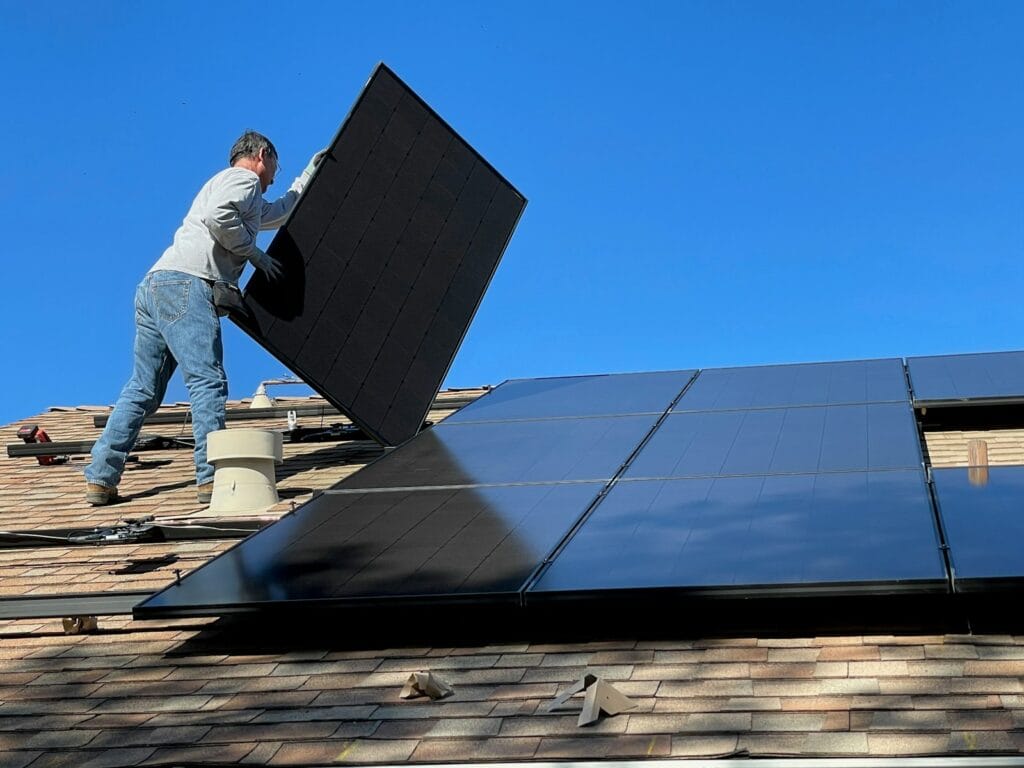
A solar installation isn’t just panels on a roof. Here’s how the total cost typically breaks down for a Sacramento home:
Solar Panels (Equipment): 30–40% of Total Cost
The panels themselves are a significant chunk of the budget. Monocrystalline panels are the most efficient and most common in residential installations. Premium brands like REC, Panasonic, and SunPower panels cost more upfront but perform better over 25–30 years. Budget panels can shave cost initially but may underperform in Sacramento’s intense summer heat.
Inverter: 10–15% of Total Cost
The inverter converts DC power from your panels into AC power your home uses. String inverters are the least expensive option; microinverters (one per panel) cost more but maximize production on complex or shaded roofs. Enphase microinverters are among the most popular choices we install in Sacramento.
Mounting and Racking: 5–10% of Total Cost
Rails, mounts, and hardware that attach the system to your roof. Cost varies based on roof type — concrete tile roofs (common in Sacramento suburbs) cost more to penetrate cleanly than composition shingle.
Labor and Installation: 10–15% of Total Cost
This covers the actual installation day(s), electrical work, and wiring to your panel. Sacramento’s C-10 electrical licensing requirements mean your installer must be a licensed contractor — not just a solar sales company subcontracting cheap labor.
Permits and Interconnection: 5–8% of Total Cost
California caps solar permitting fees at $450 in most jurisdictions. In the SMUD service territory, there’s also a one-time interconnection fee to connect your system to the grid. Your installer handles the paperwork — but it’s part of the total project cost.
Battery Storage (Optional): $10,000–$15,600 Before Incentives
A Tesla Powerwall 3, the most popular battery we install, adds significant cost but also significant value — especially under SMUD’s Solar and Storage Rate, which compensates exported energy at 7.4¢/kWh regardless of time of day. Batteries are increasingly worth it in Sacramento given SMUD’s rate structure and the risk of summer grid outages.
Sacramento’s Solar Market: Why Local Conditions Matter
Sacramento is one of the best cities in the country for solar returns — and that’s not marketing language. Here’s why the local math works in your favor:
| Factor | Sacramento Detail |
|---|---|
| Average annual sun hours | ~5.5 peak sun hours/day |
| Utility provider | SMUD (most of city/county) — community-owned, favorable rates |
| Export rate (new solar, post-March 2022) | 7.4¢/kWh (Solar and Storage Rate) |
| Typical payback period | 4–8 years |
| 25-year savings estimate | Up to $147,752 (EnergySage, Dec 2025) |
| Avg. cost per watt (Sacramento) | $2.14–$3.22/watt (SolarReviews, 2026) |
One key Sacramento distinction: most of the city is served by SMUD, not PG&E. SMUD’s Solar and Storage Rate (SSR) replaced the old Net Energy Metering program for systems installed after March 1, 2022. Under SSR, excess electricity you export earns 7.4¢/kWh — a flat rate regardless of time of day. This is more predictable than PG&E’s NEM 3.0 structure, making the economics easier to plan around. Adding battery storage lets you self-consume more of your solar production and sell less back, which is the smart strategy under SSR.
How System Size Affects Your Sacramento Solar Cost
The most important pricing variable is system size — and that’s driven almost entirely by how much electricity your household uses. Pull up a few recent SMUD bills and look for your monthly kWh consumption. Here’s a general sizing guide for Sacramento homes:
1. Small System (4–6 kW): $8,500–$20,000 Before Incentives
Suitable for 1–2 person households with modest energy use. Works well for homes that don’t run central AC constantly or don’t charge an EV. Often enough to cut the bill significantly without fully eliminating it.
2. Mid-Size System (7–9 kW): $15,000–$29,000 Before Incentives
The sweet spot for most Sacramento families. A 7–9 kW system can offset 80–100% of a typical 3–4 bedroom home’s electricity use. If you have a pool or an EV, lean toward the upper end of this range.
3. Large System (10–15 kW): $21,000–$48,000 Before Incentives
For high-usage homes, homes with two EVs, or homeowners planning to add battery backup and maximize self-consumption. After the federal tax credit and any available incentives, these systems still pencil out well given Sacramento’s sun exposure.
One note on sizing: don’t oversize based on future plans that may not materialize. We size every system based on your current consumption plus realistic near-term additions (like an EV charger). A properly sized system earns better returns than a bloated one that exports too much power at 7.4¢/kWh.
Sacramento Solar Incentives and Rebates Available in 2026
The financial case for going solar depends heavily on stacking available incentives. Here’s what Sacramento homeowners can currently access:
- Federal Residential Clean Energy Tax Credit (30%): The most significant incentive — a dollar-for-dollar reduction of your federal income taxes equal to 30% of your total system cost. Applies to panels, inverters, batteries, and installation labor. Available through 2032 under the Inflation Reduction Act.
- California SGIP Battery Rebate: The Self-Generation Incentive Program offers rebates for qualifying battery storage systems — approximately $150/kWh of capacity for PG&E, SCE, and SDG&E customers. SMUD customers should check directly with SMUD, which is investing $25 million through 2030 to incentivize battery adoption in its territory.
- California Property Tax Exclusion: Solar installations are excluded from your home’s assessed value for property tax purposes in California — meaning going solar won’t increase your property tax bill even as it increases home value.
- SMUD Solar and Storage Rate (SSR): Not a rebate, but a favorable rate structure — 7.4¢/kWh for any excess energy you export to the grid, year-round, regardless of time of day.
- PACE Financing: Property Assessed Clean Energy loans are available to California homeowners and can cover solar and battery costs with no upfront payment, repaid through your property tax bill over time.
- Solar Loans: Many installers offer financing partnerships. Watch for “dealer fees” embedded in low-interest solar loans — these can add 20–40% to the effective cost of the system. Always compare the cash price and financed price separately.
Is Solar Worth It in Sacramento Right Now?
We’ll give you the honest answer — not the salesperson’s answer.
When Solar Makes Strong Financial Sense
- You own your home and plan to stay 7+ years. The payback period for most Sacramento systems is 4–8 years. After that, electricity is effectively free for the remaining 17–20+ years of the system’s life.
- Your SMUD bill runs $150–$300+/month. Higher consumption means faster payback and better lifetime returns.
- You have a south- or west-facing roof with minimal shading. Sacramento rooftops get excellent sun exposure — orientation and shading matter more than location.
- You’re adding or already have an EV. Home charging costs increase significantly on standard utility rates. Solar can absorb a large portion of that load.
- You have sufficient tax liability to use the 30% credit. If you owe federal taxes, this credit dramatically reduces your net cost in year one.
When You Should Pause and Think
- You’re planning to sell in under 3 years. You may recover value in the sale, but you likely won’t hit full payback on the investment.
- Your roof needs replacement soon. Do the roof first. Installing solar on a roof that needs work in 3 years means paying to remove and reinstall panels — which adds cost.
- You’re financing with a high-fee solar loan. Dealer fees of 20–40% on some loan products can significantly erode returns. Run the numbers on the full financed cost, not just the monthly payment.
- Your energy use is very low. If you’re using under 300 kWh/month, the system may be too small to generate strong ROI. A conversation with an installer will clarify quickly.
What to Look for When Comparing Solar Installers Near You
Searching for solar providers near me returns a lot of results — national companies, out-of-state sales organizations, and local contractors all show up. The difference matters. Here’s what to verify before signing anything:
- California C-10 Electrical Contractor License: Solar involves significant electrical work. Your installer must hold a valid C-10 license, not just a solar “dealer” registration. Verify at the CSLB website.
- NABCEP Certification: The North American Board of Certified Energy Practitioners credential signals real technical training. Look for it on the installer’s team.
- Local, not out-of-state: National solar sales companies often subcontract installation to local crews you’ve never met. A local installer is accountable — they live here, they pull permits here, and they’ll be here in five years if something needs attention.
- Itemized quotes: Any quote that doesn’t break out panels, inverter, mounting, labor, permits, and interconnection fees separately is hiding something. Always get at least three quotes.
- Workmanship warranty: Equipment warranties from panel manufacturers run 25 years. But who backs the installation itself? A reputable contractor offers a workmanship warranty on penetrations, wiring, and the system as installed.
After completing solar installations across Sacramento, Elk Grove, Folsom, Roseville, and surrounding communities, we’ve seen what poorly planned systems look like — and we’ve fixed them. Choosing the right solar power installation team upfront is far cheaper than troubleshooting a bad one later.
The Bottom Line on Solar Costs in Sacramento
For most Sacramento homeowners, solar panel installation in 2026 costs between $10,700 and $32,000 before incentives, depending on system size. After the federal tax credit, effective costs drop 30% for qualifying homeowners. With 4–8 year payback periods and 25+ year system lifespans, the long-term math is compelling — especially as SMUD rates continue to rise and California’s electricity costs remain among the highest in the nation.
The key is sizing your system correctly, using a licensed local installer, and fully understanding your financing options before you sign. If you’re ready to see what a system would actually cost for your specific home, our team at Under the Sun Solar & Electric will walk you through it — no pressure, no inflated quotes.
We handle everything from system design and permits to installation and SMUD interconnection. Explore our Sacramento solar installation services or contact us for a free consultation today.
Ready to find out what solar would cost for your home?
Under the Sun Solar & Electric is a licensed Sacramento electrical and solar contractor. We install complete solar systems — panels, inverters, battery storage, and EV chargers — and handle all permitting and SMUD interconnection paperwork. Get a free, no-pressure estimate from a local team you can trust.
Request Your Free Solar Estimate →
